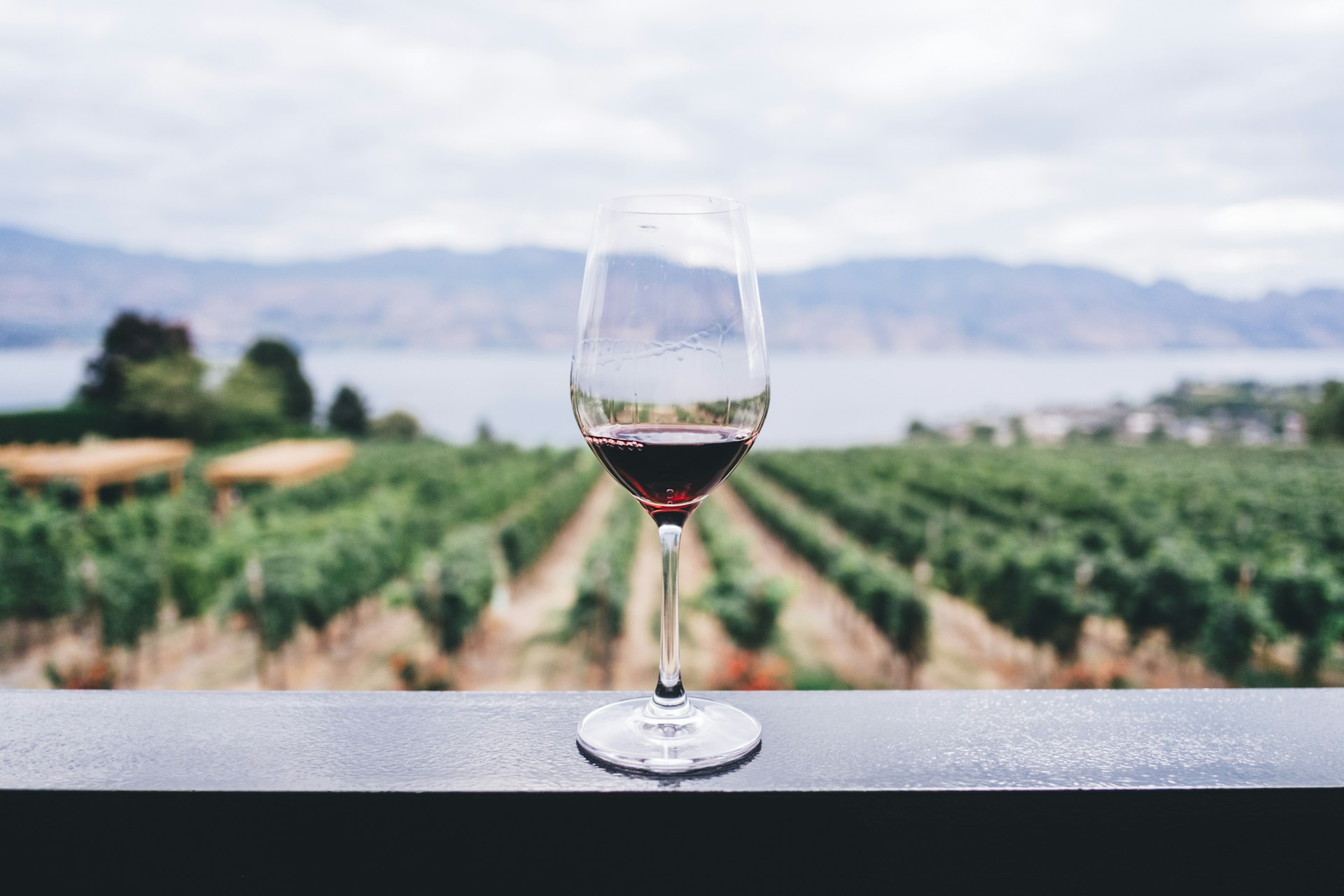
Wineries, cideries, breweries, and farm-gate businesses play an important role in the North Okanagan and Shuswap business landscape. In communities such as Vernon, Salmon Arm, Enderby, and surrounding rural areas, these businesses often combine agriculture, manufacturing, hospitality, retail sales, tourism, and family ownership.
That mix can create exciting opportunities. It can also create legal and business issues that are more layered than they may appear at first. A producer may be growing ingredients, manufacturing a product, selling directly to consumers, hosting guests, working with distributors, leasing or purchasing land, hiring seasonal staff, and planning for long-term family succession. For business owners, the legal structure behind the operation can be just as important as the product itself.
A Business Model With Many Moving Parts
A winery, cidery, brewery, or farm-gate business may begin with a simple idea: make a product, sell it locally, and build a customer base. Over time, however, that business may expand into tastings, events, wholesale distribution, online sales, restaurant partnerships, tours, farm retail, or agri-tourism.
Each new revenue stream can bring different legal considerations. Selling at the farm gate is not the same as selling through a distributor. Hosting a tasting room is not the same as operating a full-service hospitality business. Selling products online can raise different contract, privacy, payment, shipping, and consumer-facing issues.
A clear legal foundation can help business owners understand which activities belong within the existing structure and which may require additional planning, approvals, contracts, or risk management.
Choosing the Right Business Structure
Many rural and beverage-based businesses begin as family-run operations. Some operate as sole proprietorships or partnerships, while others are incorporated. The business structure can affect liability, financing, tax planning, ownership, succession, and the ability to bring in investors.
Incorporation may be considered when a business is growing, taking on debt, hiring employees, buying significant equipment, entering larger contracts, or separating personal assets from business activities. However, incorporation is not the only possible structure, and it does not eliminate all risks.
Where several family members, spouses, siblings, friends, or outside investors are involved, ownership should be carefully documented. Informal understandings can become difficult if the business grows, relationships change, or one person wants to exit.
Shareholder and Partnership Agreements
Closely held businesses often rely on trust between the owners. That trust is important, but it may not answer difficult questions if a disagreement arises. A shareholder agreement or partnership agreement can set out how decisions are made, how profits are handled, what happens if an owner leaves, and how disputes are addressed.
For wineries, cideries, breweries, and farm-gate businesses, these agreements may be especially important because the business may be connected to family land, inherited property, personal guarantees, or long-term agricultural operations. The business may also have assets that are difficult to divide, such as equipment, inventory, intellectual property, crop contracts, recipes, licenses, and customer relationships.
An agreement can also address future events, such as disability, death, divorce, retirement, or a sale of the business. These topics may be uncomfortable, but they are often easier to address before a conflict arises.
Licensing and Regulatory Considerations
Alcohol-producing businesses in British Columbia are subject to licensing and regulatory requirements. Depending on the business, this may include provincial liquor licensing, manufacturing requirements, sales permissions, tasting room rules, distribution arrangements, and local government requirements.
For a winery, brewery, or cidery, the business model should align with the licence it holds and the activities it intends to carry out. For example, manufacturing, on-site sales, off-site sales, events, samples, lounge operations, and distribution may each raise separate questions.
Farm-gate and rural businesses that do not produce alcohol may still face regulatory issues. These can involve food safety, health authority requirements, zoning, signage, parking, farm retail rules, meat inspection rules, product labelling, and local business licensing.
Land Use, Zoning, and the Agricultural Land Reserve
Many farm-gate, agri-tourism, winery, and cidery operations are located on agricultural land. In British Columbia, land use may be affected by the Agricultural Land Reserve, local zoning bylaws, municipal or regional district rules, and provincial policies.
This can matter when a business wants to build a tasting room, host events, add retail space, offer tours, create parking, operate accommodations, or expand into food service. Even if the core agricultural activity is permitted, a related commercial or tourism activity may require a closer review.
Owners may also need to consider how land use affects financing, insurance, property assessment, future development, succession, and sale value. In rural business planning, the land and the business are often connected, but they are not always governed by the same legal considerations.
Commercial Contracts With Suppliers and Buyers
A beverage or farm-gate business may depend on contracts with growers, suppliers, packaging companies, equipment providers, distributors, restaurants, retailers, markets, event organizers, and transportation companies. These contracts can have a major impact on cash flow and operations.
Important terms may include pricing, delivery timelines, minimum purchase commitments, quality standards, cancellation rights, payment deadlines, responsibility for damaged goods, and what happens if supply is interrupted. Seasonal operations may be especially vulnerable to weather events, crop issues, road closures, labour shortages, and equipment delays.
Written contracts can help reduce uncertainty. They can also provide a process for managing disputes if expectations are not met.
Branding, Labels, and Intellectual Property
For wineries, cideries, breweries, and farm-gate businesses, branding can be one of the most valuable parts of the operation. Business names, product names, logos, labels, packaging, slogans, and website content all contribute to customer recognition.
Before investing heavily in a brand, a business may need to consider whether the name is available, whether another business is using a similar mark, and whether trademark protection is appropriate. This can be particularly important if the business plans to expand beyond local markets.
Labelling and marketing should also be approached carefully. Claims about ingredients, origin, production methods, sustainability, health, or local content may be subject to rules or require support. A label is not just a design decision. It can also be a legal and regulatory document.
Employment and Seasonal Workforce Issues
Many rural, hospitality, and producer-based businesses rely on seasonal workers, part-time employees, contractors, family members, and temporary staff. This can create practical employment law considerations.
Business owners may need to consider written employment agreements, wage and hour requirements, overtime, vacation pay, workplace safety, training, supervision, accommodation, termination, and the difference between employees and independent contractors.
Where family members work in the business, it is still useful to document roles, compensation, authority, and expectations. Informality can create uncertainty, especially if ownership, management, and family relationships overlap.
Events, Tastings, and Public-Facing Risk
Many wineries, cideries, breweries, and farm-gate businesses attract customers through tastings, farm tours, markets, long-table dinners, weddings, workshops, festivals, and seasonal events. These experiences can strengthen the business, but they can also increase risk.
Public-facing operations may raise issues involving waivers, insurance, occupiers’ liability, alcohol service, food service, transportation, security, accessibility, parking, noise, neighbouring properties, and municipal approvals. A business may also need contracts with event vendors, caterers, entertainers, rental companies, and third-party organizers. The more a business invites the public onto the property, the more important it becomes to review operational risk, insurance coverage, and written agreements.
Financing, Equipment, and Personal Guarantees
Wineries, cideries, breweries, and farm-gate businesses can require significant upfront investment. Land, buildings, tanks, barrels, brewing systems, refrigeration, bottling equipment, vehicles, irrigation systems, retail space, and inventory can all involve financing.
Lenders may require security over business assets, land, equipment, inventory, or receivables. They may also ask for personal guarantees from owners. Before signing financing documents, business owners should understand what assets are being secured, what happens on default, and whether the obligations affect future borrowing or a potential sale.
Equipment leases and purchase agreements should also be reviewed carefully. The business may depend heavily on certain equipment, so repair obligations, warranties, delivery timelines, replacement rights, and end-of-term options can be important.
Buying or Selling a Producer-Based Business
A buyer of a winery, cidery, brewery, or farm-gate business may be purchasing more than a company. The transaction may involve land, buildings, equipment, licences, crops, inventory, recipes, intellectual property, contracts, employees, customer lists, and goodwill.
The structure of the transaction matters. An asset purchase and a share purchase can have different implications for liabilities, contracts, employees, taxes, permits, and due diligence. Buyers may want to review financial statements, regulatory compliance, licence status, supplier contracts, employment records, leases, financing, environmental issues, and land use restrictions.
Sellers may want to prepare the business before listing it. Corporate records, contracts, licences, employment documents, equipment records, and ownership details can all affect how smoothly a transaction proceeds.
Succession Planning for Family and Rural Businesses
Many farm-gate and beverage businesses are tied to family land and long-term family planning. One generation may want to retire while another wants to expand. Some family members may work in the business, while others may have no involvement but still have expectations about inheritance or ownership.
Succession planning can address ownership transfer, management transition, financing, tax planning, estate planning, and dispute prevention. It can also help clarify whether the next generation will inherit land, shares, equipment, or operational control.
Without planning, business succession can become complicated by family conflict, creditor issues, tax consequences, or uncertainty about who has authority to make decisions.
Building a Legal Foundation for Long-Term Growth
Wineries, cideries, breweries, and farm-gate businesses are often built through years of investment, labour, and local relationships. Their legal needs can change as they grow from a small producer into a public-facing, multi-revenue business.
A legal review may involve business structure, contracts, licensing, land use, employment, financing, intellectual property, risk management, and succession planning. These issues are connected, and decisions in one area can affect the rest of the operation.
For businesses in Vernon, Salmon Arm, Enderby, and surrounding North Okanagan and Shuswap communities, legal planning can help support growth while addressing the realities of rural business ownership, agriculture, tourism, and local commerce.
CM Lawyers: BC Business Lawyers Serving Vernon, Salmon Arm & Enderby
Wineries, cideries, breweries, farm-gate businesses, agri-tourism operators, and rural entrepreneurs often deal with layered legal and business considerations. CM Lawyers proudly advises businesses throughout the North Okanagan and Shuswap regions and assists with incorporation, shareholder agreements, commercial contracts, business purchases and sales, financing, leasing, licensing considerations, and succession planning.
If you operate or are planning to start, buy, sell, or expand a winery, cidery, brewery, farm-gate business, or rural commercial venture in the BC Interior, contact our business law team by calling (250) 308-0338 or reach out online.